
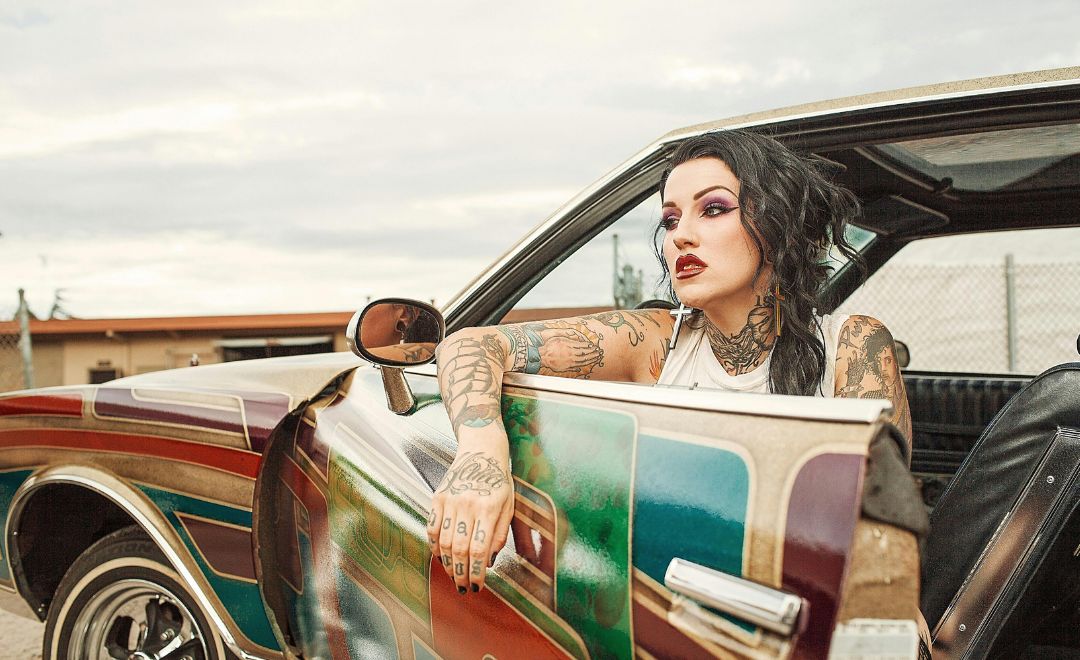
Do tattoos, unnatural hair, piercings (etc.) ruin job opportunities?
Short answer: not automatically — but context matters.
Longer answer: tattoos, colorful hair and piercings are increasingly common and accepted, but they can still affect first impressions, hiring decisions and pay in some industries and situations. Here’s what job seekers should know and how to handle it.
What the data says
Tattoos are mainstream: about 32% of U.S. adults report having at least one tattoo, and public acceptance has grown in recent years.
Still, academic research paints a mixed picture. A 2022 study found that visible tattoos can reduce hireability and starting-salary offers, especially for women and when tattoos are large or “extreme.” That study also showed bias can be hard to neutralize even when applicants are otherwise well-qualified.
On the other hand, other research (and long-running labor surveys) finds no consistent negative effect of tattoos on employment or wages overall — and in some samples tattooed people were slightly more likely to be employed. In short: population-level labor outcomes don’t uniformly punish people with tattoos.
A recent experiment with real recruiters shows that candidates with body art are often perceived as less conscientious, less honest or less emotionally stable, and those perceptions can reduce hireability (with some differences by gender). So even if overall employment numbers are similar, first impressions still matter.
Finally, many employers have relaxed appearance rules in recent years and updated policies to avoid losing talent — a shift you’ll notice in some big-brand dress-code changes. But policy and practice still vary a lot by industry, role and customer expectations.
Where appearance matters most (and least)
- More conservative / customer-facing roles — banking, luxury retail, some law firms, the military, and many police departments — often keep stricter rules about visible tattoos, facial piercings and extreme hair color. (If the role is meant to project a conservative brand image, appearance matters.)
- Creative, tech, hospitality and many startups — these workplaces are usually more tolerant and sometimes welcome self-expression as part of company culture.
- Hybrid signals — even within industries there’s variation: a corporate office role with limited client contact will be different from front-line sales or concierge work.
Real-world implications for your job search
- Interview stage = impression stage. People still form snap judgments. If you’re applying to a conservative employer, covering visible tattoos and choosing a more neutral hairstyle or simple piercings for the interview can reduce one avoidable obstacle.
- If you care about authenticity, target the right employers. Many employers explicitly allow visible tattoos and expressive styles — research company culture and look for photos, employee testimonials and policies before you apply.
- Know the trade-offs. Some applicants choose to hide tattoos during interviews and then reveal them later once they’ve demonstrated competence; others prefer being upfront and using their expression as part of their personal brand. Both are valid — pick what fits your priorities.
- Think about tattoo content and placement. Neutral, non-offensive tattoos in unobtrusive places are less likely to trigger bias than large or controversial imagery. Research shows both size and perceived “extremeness” affect outcomes.
Practical steps (for today’s job seeker)
- Do quick company homework. Check social profiles, Glassdoor photos, LinkedIn profiles of employees and the company’s careers/brand pages to judge how expressive the culture looks.
- Tailor your interview look to the role. For conservative roles, consider neutralizing visible ink and dialing back dramatic piercings/hair for interviews; you can decide later whether to be fully visible.
- Lead with competence. Strong application materials, clear examples of impact and confident answers reduce the chance appearance becomes the deciding factor — though research shows it doesn’t eliminate bias entirely.
- Find inclusive employers. Target companies with explicit inclusive-appearance policies or visible employee diversity in photos and recruiting materials.
Final thoughts
Tattoos, colorful hair and piercings don’t automatically ruin job opportunities — but they can influence first impressions, hiring decisions and even starting salary in some contexts. The smart play is to know the landscape: research employers, tailor your interview appearance to the role, and let your skills and fit speak loudest. If self-expression is a core part of who you are, aim for companies that value it — and if landing a particular role matters more in the short term, a temporary, professional look for interviews can keep doors open.
TalentAlly helps job seekers explore those opportunities, connect with employers, and access career resources — whether you want to highlight your unique style or play it conservatively in an interview. Whatever your look, take the next step in your job search with confidence: research, prepare, and pick the employers who value what you bring. You’ve got options — and your skills are what will ultimately carry you forward.
