

How to Prove Your Soft Skills in a Job Interview
“I'm a great communicator.”
“I work well with others.”
“I’m adaptable and a strong problem-solver.”
These are all valuable qualities. The problem is that almost any candidate can say them.
During an interview, simply naming a soft skill gives the hiring manager very little information about how you actually work. A stronger answer gives them evidence.
That matters because skills such as communication, teamwork, professionalism, and critical thinking continue to rank among the competencies employers value most. According to NACE, employers identified these four areas as especially important for new graduates in 2026.
Here is how to turn soft skills from claims into something an interviewer can actually see.
Start With the Skill the Job Requires
Before your interview, go back to the job description and look for clues about the soft skills the employer expects. You can practice this even before you have an interview scheduled by reviewing a current job posting and identifying the skills behind the responsibilities and qualifications.
A role that mentions cross-functional projects may require collaboration. A customer-facing job may put more weight on communication and patience. A fast-moving environment may call for adaptability and prioritization.
Choose three or four skills that appear especially relevant, then prepare one real example for each.
Your examples can come from:
- Full-time or part-time jobs
- Internships
- School projects
- Volunteer work
- Freelance work
- Student organizations
- Personal projects with meaningful responsibilities
You don’t need a management title to demonstrate leadership, and you do not need years of experience to demonstrate good judgment.
If you are still exploring what employers are looking for, attending career fairs can also give you opportunities to speak with recruiters, learn more about open roles, and hear how companies describe the skills they value.
Replace the Adjective With a Story
If you describe yourself as “adaptable,” your interviewer still has to take your word for it.
Instead, show what adaptability looked like.
Weak answer:
“I’m very adaptable and good at handling change.”
Stronger answer:
“During my internship, our team changed the launch date for a campaign with less than a week of notice. I reorganized my priorities, confirmed the new deadlines with my manager, and updated the content schedule so everyone was working from the same timeline. We were able to have the materials ready for the new launch date.”
The second answer gives the interviewer something concrete to evaluate.
This same approach works for almost every soft skill.
For communication, explain how you clarified confusing information, presented an idea, handled a difficult conversation, or kept people aligned.
For teamwork, describe what you personally contributed to a group effort.
For problem-solving, walk through how you identified an issue and decided what to do next.
For leadership, show how you created direction, took ownership, supported someone else, or moved a project forward.
Use STAR, but Spend More Time on the “A”
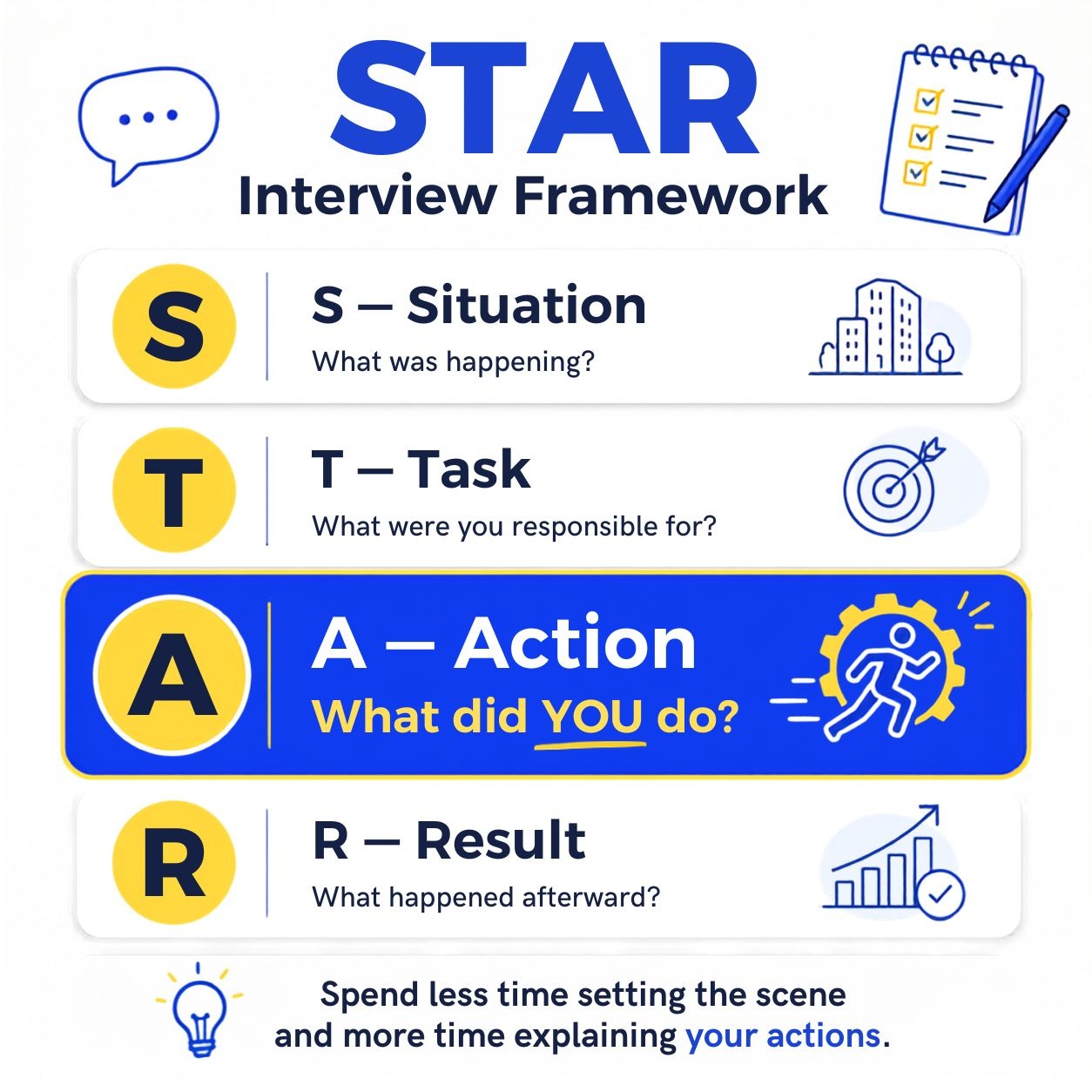
Indeed recommends using this structure to keep behavioral and situational answers focused while showing your specific actions and results.
One common mistake is spending most of the answer explaining the situation.
Keep the background short. The interviewer is more interested in your actions.
For example, instead of spending a minute describing a disagreement between two coworkers, explain how you approached the conversation, what questions you asked, how you communicated your perspective, and what you did to help reach a solution.
That is where your soft skills become visible.
Make “We” More Specific
Teamwork stories naturally involve “we,” but too much “we” can make your individual contribution unclear.
Consider this answer:
“We worked together and finished the project ahead of schedule.”
What did you do?
A stronger version could be:
“Our team divided the project into three areas. I created the shared timeline, checked in with each person before our weekly deadline, and flagged two dependencies that could have delayed the final submission. We finished the project two days early.”
You can absolutely give your team credit while still explaining your role.
Results Do Not Always Need a Percentage
Candidates sometimes assume every interview story needs an impressive number.
Numbers are useful when you genuinely have them. You might mention that you reduced response time, helped increase attendance, completed a project early, or supported a certain number of customers.
Plenty of soft-skill outcomes are qualitative.
Maybe your communication prevented a misunderstanding. Your organization helped a project stay on schedule. Your patience helped resolve a customer complaint. Your initiative resulted in a process the team continued using.
The key is showing what changed because of your actions.
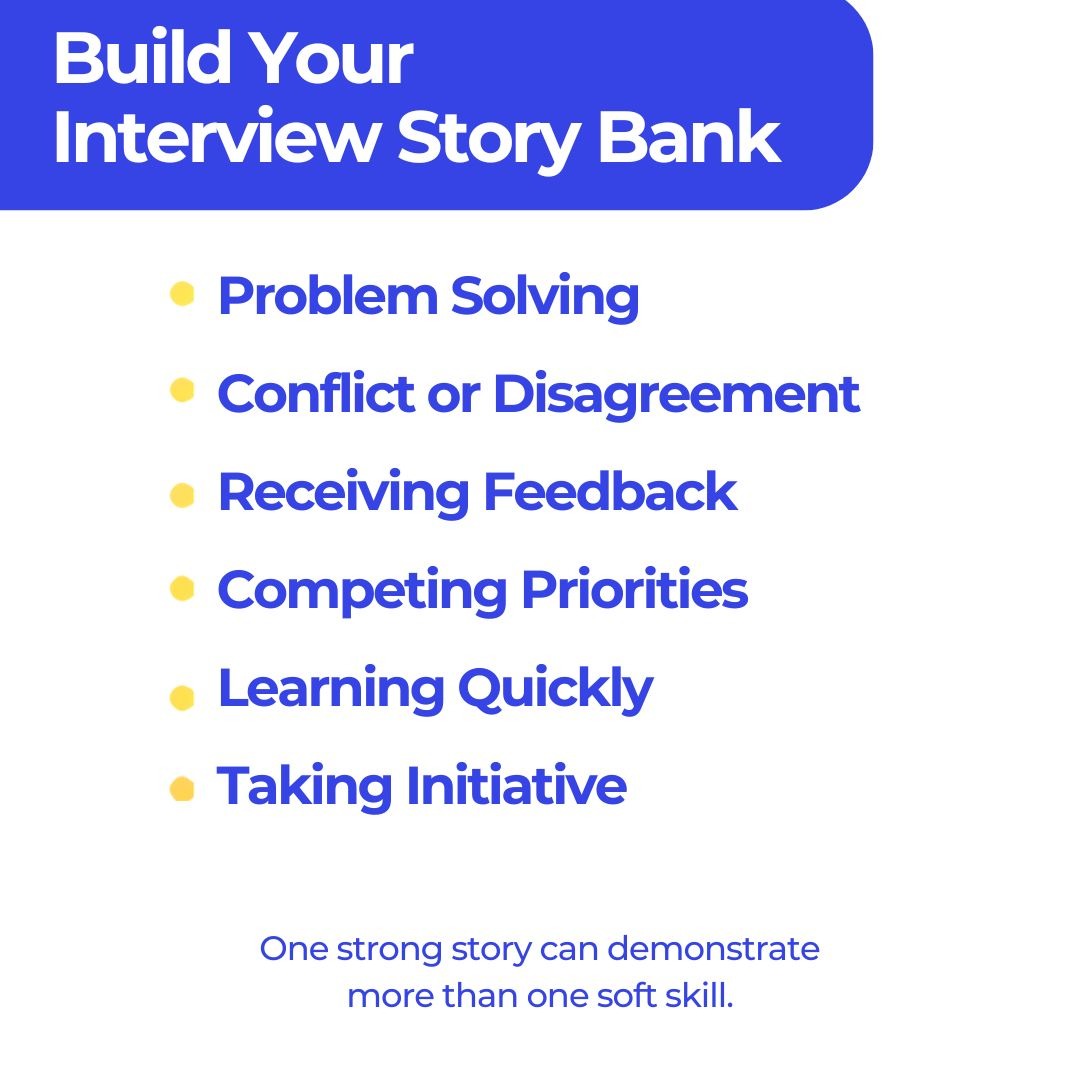
Prepare a Small “Story Bank”
Trying to invent the perfect example while you are already in an interview adds unnecessary pressure.
Beforehand, prepare flexible stories:
If you need help preparing, TalentAlly’s career resources can help you build a stronger job search and interview strategy before you start practicing your answers.
One story can often demonstrate several skills depending on how the question is asked.
