
How to Set Boundaries When Working from Home
The rise of remote work has changed not just where we work, but how we work. Flexibility and autonomy are huge benefits, but they can come with a hidden challenge: blurred boundaries between your job and your life. Whether you’re seeking your first remote role or transitioning to a hybrid schedule, creating healthy boundaries can help you stay productive, sane, and energized. Let’s walk through how to do that without sacrificing your career momentum.
Why Boundaries Matter in Remote Work
Remote work is popular for a reason. Recent data shows that around 22–23% of U.S. employees work remotely at least part of the time, and that trend has grown rapidly since the pandemic.
Most workers feel the benefits: about 71–75% say remote work helps with work-life balance — and that’s a major reason flexibility is such a valued job perk.
But those stats also hint at a flip side. Up to 40% of remote workers report struggling to unplug after hours, and 43% say maintaining clear boundaries is hard. Without solid boundaries, flexibility can feel less like freedom and more like always being on call.
1. Define Your Work Hours and Stick to Them
One of the most common challenges remote workers face is figuring out when work ends. Without a commute or office door to close, it’s easy to slip into hours that stretch well past “official” time.
What to do:
- Set a regular start and end time just like an office job.
- Block those hours on your calendar so teammates know when you’re “in” and “out.”
- Treat after-hours like real personal time: silence notifications and resist checking emails.
Communicating your hours clearly builds respect for both your time and your professional reputation.
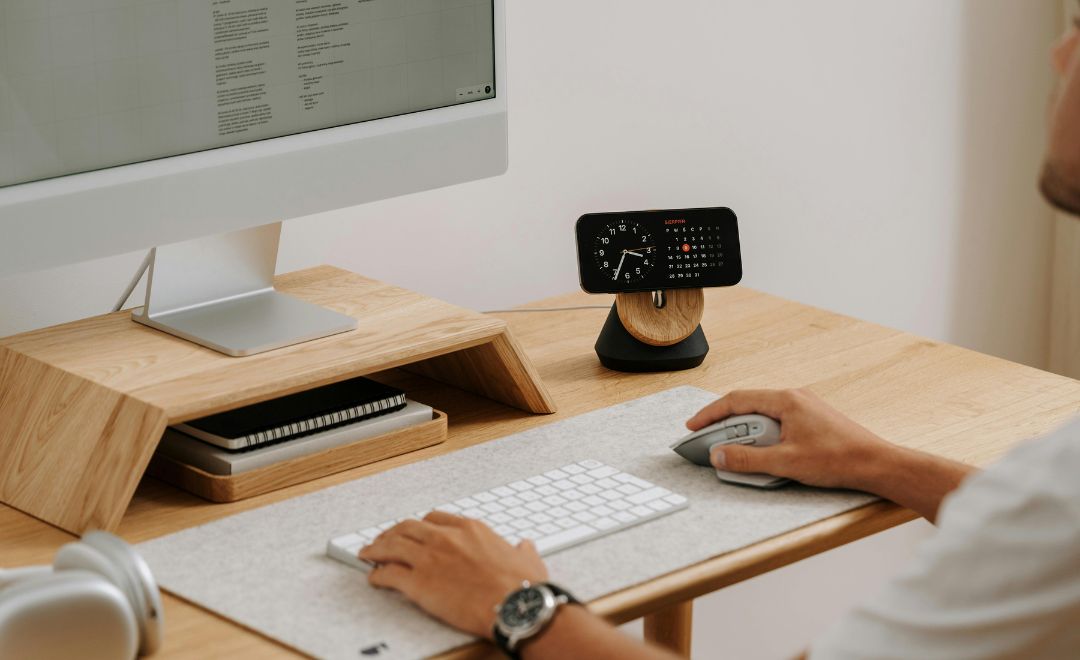
2. Create a Dedicated Workspace
Your physical environment influences your mindset. If your work space bleeds into your home space, your brain can struggle to shift gears between the two.
Try this:
- Choose an area that’s used only for work, even if that’s a desk corner or a specific chair.
- Avoid working from bed or the couch: those places are signals to your brain that it’s rest time.
Even small rituals like opening blinds or sitting at a “work desk” reinforce your focus and help your mind switch off when the day is over.
3. Communicate Expectations Clearly
Boundaries aren’t just internal, they’re social. If you don’t tell others what your limits are, they won’t know what to respect.
Tips for communicating:
- Let coworkers and managers know your normal work hours.
- Share how quickly you’ll respond during work time, and be clear about when responses aren’t expected.
- For team chats, use status messages (e.g., “In focus mode until 3 PM”).
This doesn’t make you unavailable, it makes you predictable and professional.
4. Build Intentional Breaks Into Your Day
Working from home can feel like nonstop work unless you pause intentionally. Breaks reduce burnout and improve productivity, experts even say breaks help boost energy and capacity to focus.
How to incorporate breaks:
- Schedule a lunch break away from your desk.
- Take short walks or stretch sessions between tasks.
- Mimic a “commute” with a brief outdoor walk or a simple transition ritual at day’s end.
These pauses help your brain shift between focus and relaxation.
5. Learn to Say “No” (Kindly but Firmly)
Without in-person boundaries, it’s easy to feel pressure from managers, peers, or even yourself — to take on extra work or respond immediately.
Here’s a simple mindset shift: You can be collaborative and responsive without being available 24/7.
Practice phrases like:
- “Thanks for the message. I’ll take a look tomorrow during working hours.”
- “I’m unavailable now, but happy to help at [specific time].”
These responses show professionalism while protecting your time and energy.
6. Leverage Tools That Support Your Boundaries
Technology doesn’t have to be a boundary breaker, it can be your ally.
Helpful tools:
- Do Not Disturb modes on your phone and laptop
- Time-blocking apps like Google Calendar
- Task managers (Notion, Todoist, etc.) that signal what’s priority and what can wait
These tools help you plan your day and defend it.
Final Thoughts
Working from home offers incredible flexibility and autonomy, but it also demands intentional boundaries to protect your energy and maximize your potential. Setting your hours, communicating clearly, crafting a dedicated workspace, and using tools to stay organized can help create a rhythm that supports your work and your life.
And if you’re on the job hunt, TalentAlly is here to help you explore opportunities, connect with employers, and access career resources that support your success, whether you’re targeting remote, hybrid, or in office roles. With clear boundaries and the right opportunities, you can take your career forward with confidence.
