
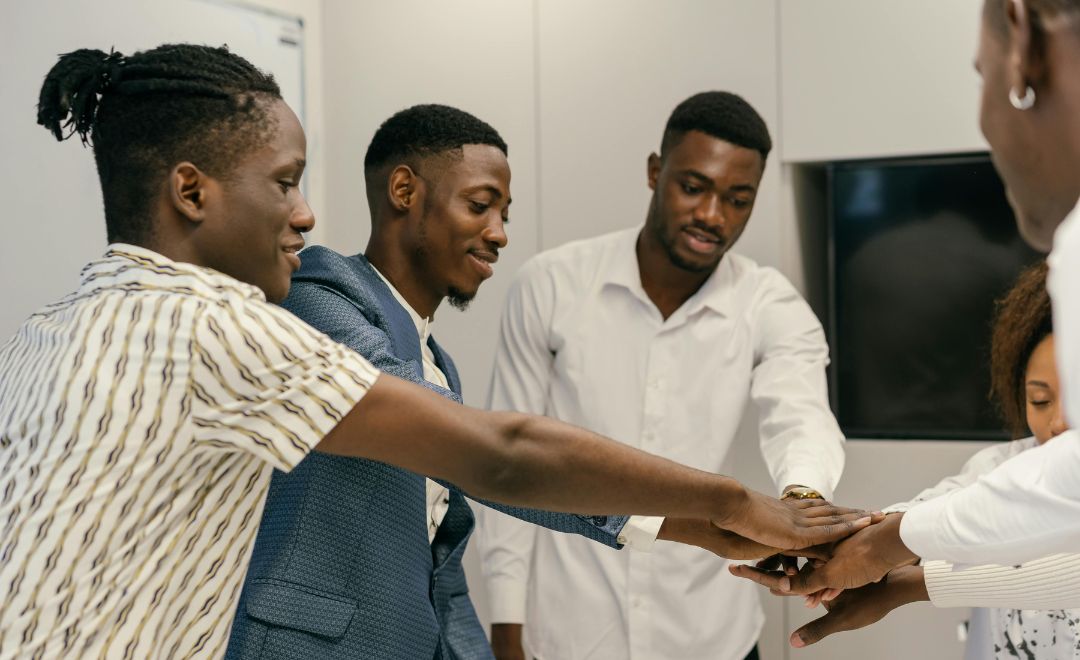
The Next Workforce Shift: Managing Multi Generational Expectations at Scale
The workforce is more age diverse than ever. In many organizations today, five generations are working side by side, from those just entering their careers to those with decades of experience. This shift goes beyond a demographic trend and is reshaping how companies hire, manage, and retain talent.
For HR leaders and hiring managers, the challenge has shifted from focusing on a single dominant workforce group to balancing diverse expectations at scale while still delivering a cohesive employee experience.
Why Multi Generational Workforces Matter Now
Longer life expectancies, evolving retirement patterns, and rapid technological change have extended careers and widened generational overlap. According to the U.S. Bureau of Labor Statistics, workers aged 55 and older are one of the fastest growing segments of the labor force. At the same time, Gen Z continues to enter the workforce in large numbers.
Each group brings distinct perspectives shaped by different economic conditions, technologies, and cultural norms. These differences influence how employees view work, communication, and career growth.
For employers, this diversity can be a competitive advantage. Teams that blend experience with new thinking often perform better and adapt faster. However, without thoughtful management, generational gaps can also lead to misalignment and disengagement.
Understanding Key Expectation Gaps
While it is important to avoid overgeneralizing, some consistent patterns appear across generations.
Workplace Flexibility
Younger employees tend to prioritize flexibility and autonomy. Many expect remote or hybrid options as a baseline rather than a perk. Older generations may value flexibility as well, but often with a stronger emphasis on stability and clear structure.
Communication Styles
Digital-first communication is natural for younger workers, while others may prefer more direct or in-person interactions. Misunderstandings can arise when communication preferences are not aligned.
Career Development
Gen Z and Millennials often seek frequent feedback and rapid growth opportunities. In contrast, more experienced employees may prioritize long-term career stability, meaningful work, and recognition of expertise.
Technology Adoption
Comfort with new tools varies widely. While some employees expect seamless digital experiences, others may require additional support and training to fully engage with new systems.
Recognizing these differences is the first step. The real impact comes from how organizations respond.
Strategies for Managing Expectations at Scale
Managing a multi-generational workforce requires building flexible frameworks that adapt to different needs without losing consistency, rather than creating separate systems for each group.
1. Design Flexible Policies with Clear Boundaries
Flexibility works best when it is structured. Offering options such as hybrid work, flexible hours, or personalized benefits allows employees to choose what fits their needs. At the same time, clear expectations around performance and collaboration keep teams aligned.
2. Personalize Career Development
A one‑size‑fits‑all approach to growth falls short today. Some employees want rapid progression, while others prefer deepening their expertise or exploring lateral moves. Offering multiple career pathways, supported by regular check‑ins, helps meet these different ambitions.
Companies like IBM have invested in internal talent marketplaces that allow employees to explore projects and roles based on skills and interests. This approach supports both early-career exploration and experienced professionals looking to evolve.
3. Build Inclusive Communication Practices
Effective communication requires offering multiple channels and setting clear norms, rather than choosing one style over another. Combining digital tools with opportunities for real-time interaction ensures that everyone can engage in a way that works for them.
Training managers to recognize and adapt to different communication preferences can significantly reduce friction.
4. Invest in Continuous Learning
Upskilling is essential across all generations. According to LinkedIn’s Workplace Learning Report, companies that prioritize learning see higher retention and engagement.
Providing accessible, ongoing training helps bridge technology gaps and keeps employees competitive. It also signals that growth is supported at every career stage.
5. Foster Cross-Generational Collaboration
Mentorship programs are evolving into two way learning opportunities. Reverse mentoring, where younger employees share digital expertise while gaining insights from experienced colleagues, is becoming more common.
This kind of collaboration builds mutual respect and strengthens team cohesion.
The Role of Employers in Shaping the Future Workforce
The shift toward a multi-generational workforce is long term and reflects deeper changes in how people approach work and careers.
Employers who succeed in this environment are those who listen actively, adapt thoughtfully, and create systems that scale without losing a human touch. This requires ongoing effort, not a one time initiative.
Technology can support this process, but it cannot replace the need for empathy and clear communication. Ultimately, managing expectations comes down to understanding what motivates people and creating an environment where different perspectives can thrive.
Final Thoughts
The next workforce shift is already here. Managing multi-generational expectations is now a core part of building resilient, high performing teams. Organizations that embrace flexibility, invest in growth, and encourage collaboration across age groups are better positioned to succeed.
TalentAlly helps companies connect with diverse, qualified candidates through career fairs, targeted hiring programs, and job postings. By reaching talent across different generations and backgrounds, employers can build teams that reflect the realities of today’s workforce.
As hiring continues to evolve, a more human-centered approach will define the strongest organizations. Partnering with TalentAlly supports smarter recruitment marketing while helping companies meet candidates where they are and grow with them over time.
