
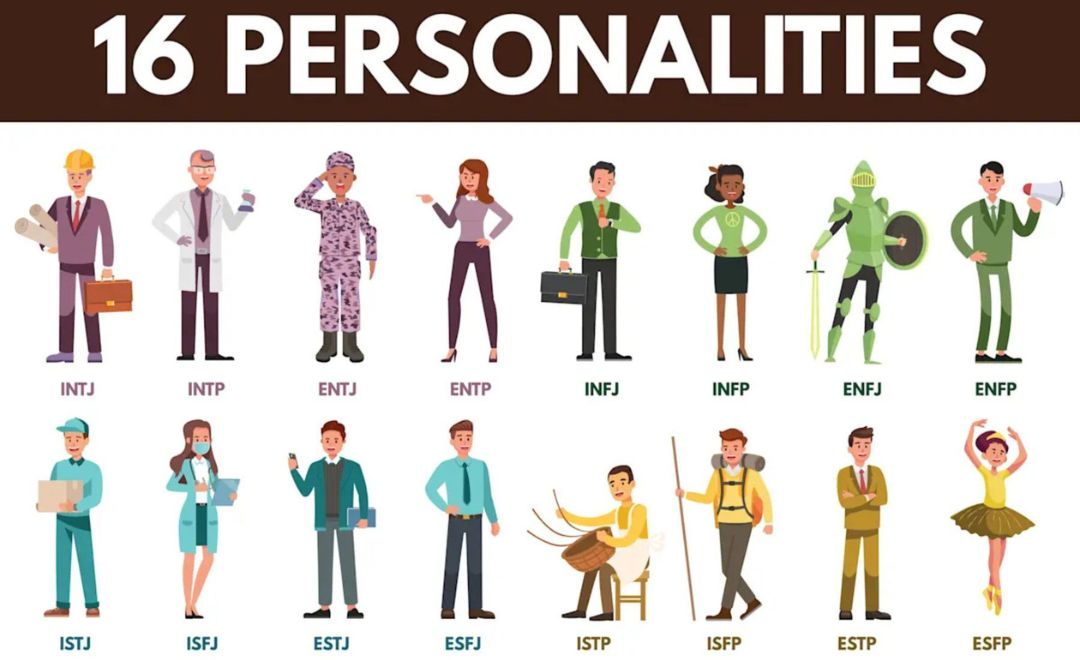
Your Personality Type and Career Fit: MBTI Insights for Job Seekers
Choosing a career can feel overwhelming. Skills and experience matter, but they are only part of the picture. How you think, communicate, and approach work every day plays an equally important role. That is where personality insights like MBTI can help.
The Myers Briggs Type Indicator groups people into 16 personality types based on how they gain energy, process information, make decisions, and structure their lives. While it is not a crystal ball for predicting your future, it can be a powerful tool for self awareness and career direction.
Why Personality Matters in Career Fit
Think about the last time you felt energized at work. Chances are, the environment and tasks aligned with your natural preferences.
Research supports this idea. A 10 year study tracking more than 3,500 professionals found that career satisfaction varies widely depending on how well roles align with personality traits. Some personality types reported satisfaction rates as high as 71 percent, while others dropped below 40 percent when misaligned with their roles.
At the same time, MBTI is best used as a guide, not a rulebook. Studies show it has strong internal consistency and practical applications for career exploration and decision making, but it is not designed to predict job performance on its own.
The takeaway: personality fit influences how you experience your work, not just what you are capable of doing.
Understanding the Four MBTI Dimensions
MBTI is built on four key dimensions. Understanding these can help you recognize what kind of work environment suits you best.
Extraversion (E) vs. Introversion (I)
This reflects how you recharge. Extraverts often thrive in collaborative, fast paced environments. Introverts may prefer focused, independent work.
Sensing (S) vs. Intuition (N)
Sensing types focus on details and practical tasks. Intuitive types are drawn to big ideas and future possibilities.
Thinking (T) vs. Feeling (F)
Thinking types prioritize logic and objectivity. Feeling types emphasize values and people-centered decisions.
Judging (J) vs. Perceiving (P)
Judging types prefer structure and planning. Perceiving types are more flexible and adaptable.
Data shows these differences translate into real workplace behaviors. For example, judging types demonstrate higher punctuality rates, while thinking types often process analytical problems faster.
Career Paths That Align with Personality Preferences
Rather than matching exact jobs to types, it is more helpful to look at patterns.
Analytical and strategic types (INTJ, INTP, ENTJ)
These individuals often enjoy problem-solving, systems thinking, and long-term planning. They are commonly found in fields like engineering, technology, and strategy roles.
People focused types (ENFJ, ESFJ, INFJ)
These types are energized by helping others and building relationships. They often thrive in HR, education, healthcare, or leadership roles that involve mentoring.
Creative and idea-driven types (ENFP, INFP, ENTP)
These individuals tend to excel in roles that value innovation and flexibility, such as marketing, content creation, design, or entrepreneurship.
Detail oriented and practical types (ISTJ, ISFJ, ESTJ)
These types often prefer structure and reliability. Careers in operations, finance, project management, and administration can be a strong fit.
The key is not limiting yourself to a single path. It is about understanding what environments help you perform at your best.
Common Mistakes Job Seekers Make with MBTI
It is easy to misuse personality frameworks during a job search. Here are a few pitfalls to avoid.
Treating MBTI as a strict rule
Your type does not lock you into one career. It highlights preferences, not limitations.
Ignoring skill development
Personality can guide direction, but skills still determine success. The best outcomes happen when both align.
Overlooking workplace culture
Two people with the same personality type can have very different experiences depending on team dynamics and leadership style.
In fact, research suggests that strong workplace relationships and team alignment matter more for performance than personality type alone.
How to Use MBTI in Your Job Search
Instead of asking, “What job fits my type?” try these more practical approaches:
1. Identify your ideal work environment
Do you prefer collaboration or independence? Structure or flexibility?
2. Tailor your job search strategy
Look for roles that match your natural tendencies. For example, introverts may prioritize roles with deep focus, while extraverts may seek client-facing positions.
3. Strengthen your self awareness in interviews
Understanding your personality helps you communicate your strengths clearly and authentically.
4. Stay open to growth
The best careers often stretch you beyond your comfort zone while still aligning with your core preferences.
Final Thoughts
Your personality type is not a label that defines your future. It is a lens that helps you better understand how you work, what motivates you, and where you are most likely to thrive.
When you combine that self awareness with the right opportunities, you can make more confident and informed career decisions. Platforms like TalentAlly help job seekers explore opportunities, connect with employers, and access valuable career resources that support this journey.
The job search is not just about finding any role. It is about finding the right fit for who you are and who you want to become. Take what you have learned, stay curious, and move forward with confidence.
